
The other common name of Rubber Tree are Para Rubber Tree, Sharinga Tree, Seringueira. The botanical name is Hevea brasiliensis and belongs to Euphorbiaceae (Castor) family. Rubber tree is native of … [Read more...]
Soursop Tree – Graviola Tree
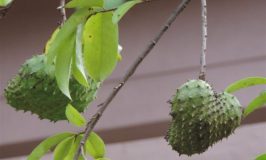
Other common names of Soursop is Graviola and Guyabano. In Kannada it is known as Mullu Rama Phala and Lakshmana Phala. The botanical name is Annona muricata and belongs to Annonaceae (Sugar-apple) … [Read more...]
Avocado – Butter Fruit
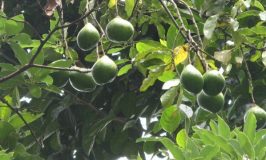
Another popular name of Avocado is Butter Fruit. The botanical name of this subtropical tree is Persea americana and belongs to Lauraceae (Laurel) family. It is a native of Central America. Avocado … [Read more...]
Turmeric
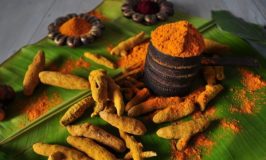
The most discussed rhizomatous herb in recent times is the Turmeric. The status of Turmeric in India is high, the maximum usage of the root of this herb is the offering to gods and goddesses. A dried … [Read more...]
Blackberry
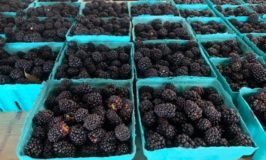
When Greek Yogurt is part of a breakfast buffet, you inevitably look for fruits to go with it. If they are serving fresh Blackberries, then you sure are lucky. Botanical name of Blackberry is Rubus … [Read more...]
Pear
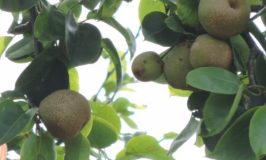
Common names of Pear are Common Pear, European Pear, Bhutan Pear. In Hindi it is known as Nashpati, in Kashmiri it is known as Kishtabahira. Botanical name of Pear is Pyrus Pyrifolia (Asian), Pyrus … [Read more...]
Types of Mangoes
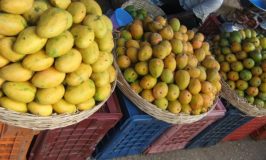
Come summer and we are spoilt for choice on the type of Mango to buy. The markets are flooded with all shapes, colors, and sizes of Mangoes from all over the country. I remember eating dozens of … [Read more...]
Nutmeg
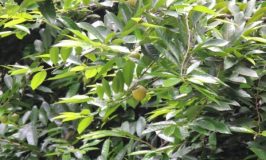
First time I saw Nutmegs hanging from trees was in Singapore Botanical Garden. In Kannada, it is known as Jakayi, in Hindi it is Jati Phal and in Sanskrit it is known as Jatiphala. The botanical name … [Read more...]
Coriander
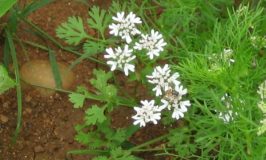
I cannot imagine cooking without Coriander leaves. I always end with a sprinkle of Coriander leaves on most of the dishes that I cook. The best Coriander leaves are sold in Mysore. They are fresh, … [Read more...]
Ridge Gourd
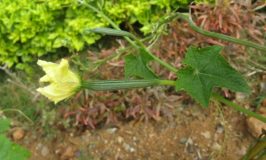
Ridge Gourd known as Heerekayi in Kannada is a popular vegetable in South Indian cuisine. As children we would be given a raw piece to taste and identify the ones that are bitter. The other … [Read more...]
Cheese

Photograph smiles and Cheese have a lot in common. People being photographed who say Cheese seem to be smiling more than the ones who don’t say cheese. For some the smell of it can make them … [Read more...]
Fenugreek
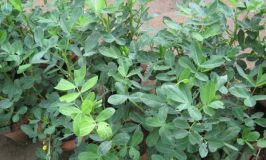
Fenugreek is an annual and belongs to Fabaceae (pea) family. The botanical name is Trigonella foenum-graecum. Other common names are Greek-clover and Greek hay. Fenugreek is known as Menthya in … [Read more...]
Spinach
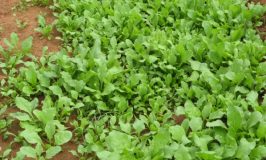
The cartoon character Popeye, the sailor man and Spinach are synonyms to each other and kids are coaxed to eat the power packed Spinach by reminding them about Popeye getting strength from this humble … [Read more...]
Ramphal
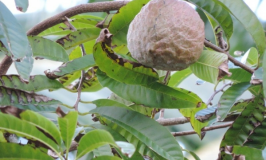
Other common names of Ramphal are Netted Custard Apple, Bullock's heart, Bull's heart. In Sanskrit it is known as Lavani, Krishnabija. Botanical name is Annona reticulata and belongs to Annonaceae … [Read more...]
Capsicum

Common names of Capsicum are Sweet Pepper, Bell Pepper. In Hindi it is known as Shimla Mirch and in Kannada it is known as Donna Menasinakayi. The botanical name is Capsicum Annuum and belongs to … [Read more...]
Drumstick Tree – Moringa Tree
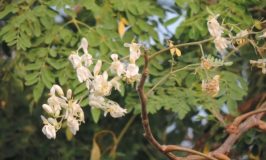
You can see a drumstick tree growing in most of the houses in South India. The Drumstick is relished in Sambar by the South Indians. Another common name is Horse-radish. In Hindi it is known as … [Read more...]
Chayote Squash
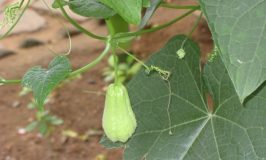
The much loved Seemebadanekayi in South Karnataka is known as Chayote Squash. Most of us in South Karnataka would have enjoyed Seemebadanekayi Palya with Saaru Anna. Chayote Squash is also … [Read more...]
Sapodilla – Sapota Tree – Chikoo Tree
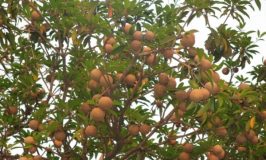
My earliest memory of Sapota is my uncle getting these fruits home and asking us to keep them buried in Rice to ripen. Another uncle of mine had planted many Sapota trees in his farm where we used to … [Read more...]
Chili Pepper
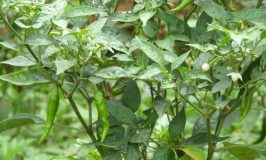
Chilies are an integral part of Indian cuisine. The varieties available in the market is mind boggling. Botanical name is Capsicum frutescens and belongs to Solanaceae family (potato). In Kannada it … [Read more...]
Bitter Gourd
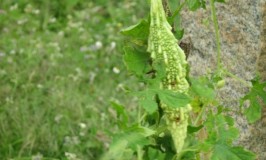
Most of us at one time in our life would have hated Bitter Gourd and some of us during the lifetime would have also acquired the taste of Bitter Gourd. Common names are Bitter Melon, Bitter Squash, or … [Read more...]

