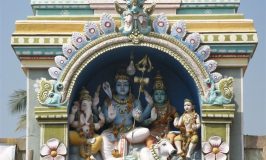
Happy Maha Shivaratri! Here is an easy Bhajan (devotional song) on Lord Shiva. We used to sing this every evening during our Summer break. Hey Shiva Shankara Namami Shankara Shiva Shankara … [Read more...]
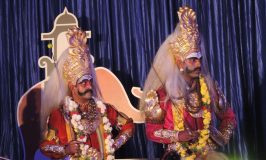
Happy Vijayadashami – Veeragase Folk Dance of Karnataka – Guggla
Veeragase is a folk dance of Karnataka where the participants wear grand makeup, headgear, and costumes and dance to folk music composed on Hindu mythology. The dance movements are intense with … [Read more...]
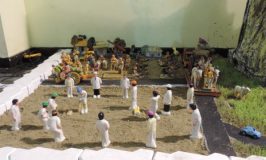
Dasara Gombe – Dolls Arrangement 2023
The best part of Navratri / Dushehra / Dasara celebrations in Mysuru was visiting neighbour's homes for the Gombe Arathi (doll arrangement / Golu) and enjoying the traditional and delicious sweets and … [Read more...]
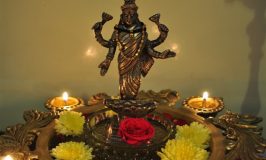
Lakshmi Devotional Song – Arathi Hymn – Varamahalakshmi Festival
This devotional song was sung by my mother's aunt during arathi to Goddess Lakshmi. You can use any tune suitable to sing this song. In Kannada script: ಲಕ್ಷ್ಮೀ ಆರತಿ … [Read more...]
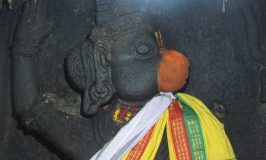
Hanuman Arathi Song – Hanumanthana Aarathi Haadu – Devotional Song
Hanuman Jayanthi is celebrated in April in North India and in December in South India. North or South a song is always sung during the Arathi. This song in praise of Lord Hanuman is written … [Read more...]
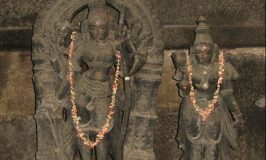
Story of Tripurasura Dahana – End of Tripurasura – Introduction to Baudha Avatara
Demon Taraka had 3 children namely, Tarakaksha, Kamalalochana, and Vidyunmaali. The three together performed deep penance and Brahma pleased with their devotion appeared before them. They … [Read more...]
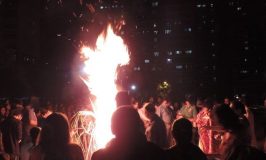
Lohri festival in Punjab – Makara Shankranthi – Harvest Festival
Makara Shankranthi is called as Lohri in Punjab. It is one of the major festivals of Punjab. It is celebrated with great pomp and show. This festival falls on Chaturdashi i.e., the 14th day in the … [Read more...]
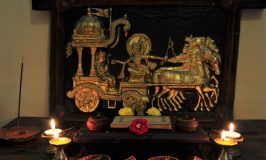
Bhagvad Gita Aarathi Song – Bhagvad Gita Jayanthi – Bhagvad Gita Birthday
Bhagvad Gita Aarathi Song is a prayer that is sung after reading the Srimad Bhagvad Gita book. Known as Gita Arati, the verses are found at the end of the 18th chapter of the Bhagvad Gita … [Read more...]
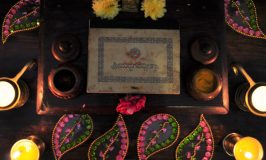
Bhagvad Gita Jayanti – Bhagvad Gita Birthday – Srimad Bhagvad Gita Jayanti
During Corona time, my quest to listen and understand the Srimad Bhagvad Gita started. My mother patiently read the Bhagvad Gita shlokas and explained each of them in Kannada. I was in awe … [Read more...]
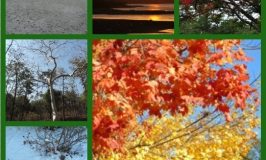
Ritu – Indian Seasons – Rithu
Ritu means "season" in ancient Indian calendars used in India, Bangladesh, Nepal and Sri Lanka. There are six ritus or seasons. The word is derived from the Vedic Sanskrit word Ṛtú. Every season, … [Read more...]
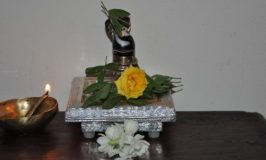
Song on Lord Shiva – Devotional Song
Wish you all a very happy Mahashivarathri. My mother has written this song in praise of Lord Shiva in Kannada Script. ಶಿವನ ಮಹಾತ್ಮೆ ಹಾಡು ಜಯತು ಜಯತು ಶ್ರೀಮಹಾದೇವಾ ಪರಮೇಶ್ವರ ದೇವಾ ಪರಮೇಶ್ವರ … [Read more...]
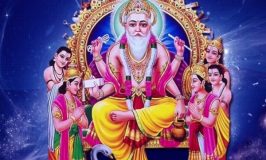
Chatti Amavasya Festival – Vishwakarma Festival
Chatti Amavasya is the no moon day in the Hindu month of Kartika, October – November of the Gregorian calendar. For the festival date click here. This festival is celebrated in Karnataka, Andhra … [Read more...]
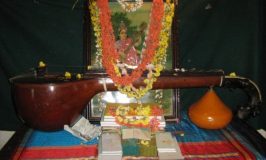
Saraswathi Prarthane – Prayer to Goddess Saraswathi
Today is Saraswathi Pooja, which is part of Navrathri celebrations. This is a prarthane (prayer) to Goddess Saraswathi written by my grandfather Sri M.M.Patil in 1969. ಸರಸ್ವತಿ … [Read more...]
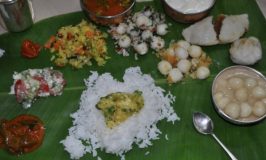
Gowri and Ganesha Festival Platters – Festival Food – Habbada Adige
Wish you all a very happy Gowri - Ganesha festival! Shopping, mantapa decorations, and preparing delicious festival food mark the Gowri - Ganesha festival celebrations. Gowri … [Read more...]
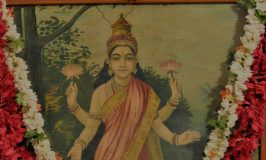
Song to Goddess Lakshmi – Varamahalakshmi Arathi Haadu
My mother had written this song in the praise of Goddess Mahalakshmi in 1996. This song can be sung on festivals like Varamahalakshmi, Diwali Lakshmi Pooja, Shravana Shukravara Pooja, Ashada … [Read more...]
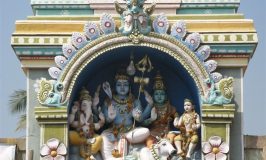
Song in the glory of Lord Shiva
This devotional song on Lord Shiva sung during the Aarathi. ಶಿವನ ಆರತಿ ಹಾಡು ಆರುತಿ ಎತ್ತಿರೆ । ಮಾರಾನಮರ್ದನಾಗೆ ಆರುತಿ ಎತ್ತಿರೆ । ನಂದೀ ವಾಹವಗೆ। ರಂಭೆಯೇರು ಚಂದದಿಂದ|| ಮುಂಗುರುಳಿನಲ್ಲೆ ಚಂದ್ರನ್ ಧರಸೀದವಗೇ … [Read more...]
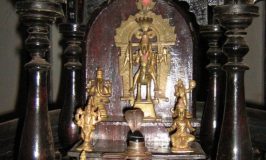
Glory of Lord Mailaralinga – Mailaralinga Mahatme Haadu – Khandoba Mahima Geet
The glory of Lord Mailaralinga's song in Kannada has been sung by my mother's immediate and extended family for decades. This song was taught by a relative called Sri Shankar who lived with my … [Read more...]
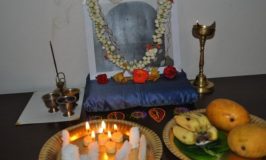
Hire Gowri Pooja – Dodda Gowri Pooja – Gowri Hunnime
Hire Gowri Pooja also known as Dodda Gowri Pooja and Gowri Hunnime is celebrated with devotion in North Karnataka. Below is the write up by my mother on this festival in Kannada script. This … [Read more...]
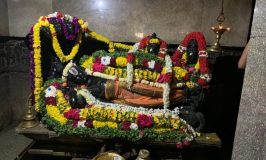
Lord Vishnu Arathi Song – Lord Hari Arathi Song
This is a song in praise of Lord Vishnu also known as Hari. My mother had learnt this song from her late aunt few decades back. Tomorrow is Vaikunta Chaturdashi vratha (observance) and … [Read more...]
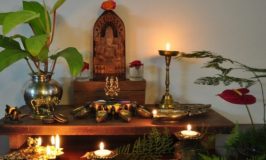
Deepavali Song – Diwali Song – Deepavali Haadu
Deepavali song is written by my mother in Kannada script to be sung anytime during the Deepavali festival. The lyrics cover the importance and joy of celebrating Deepavali / Diwali … [Read more...]

