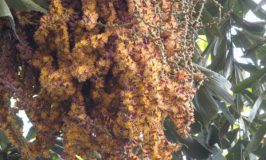
The other common names of Fishtail Palm are Jaggery Palm, Toddy Palm, Sago Palm, and Wine Palm. Mari in Hindi, Bagane, Bagani, Baine, Paine in Kannada. The botanical name is Caryota urens and belongs … [Read more...]
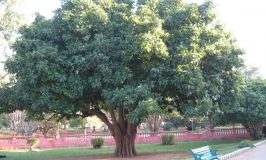
Elephant Apple Tree – Indian Catmon Tree – Hondapara Tree
I came across this tree in Lalbagh botanical gardens, Bengaluru. The other common names of Elephant Apple tree are Indian catmon, Hondapara Tree, Ma-tad. In Kannada it is known as Kaltega, … [Read more...]
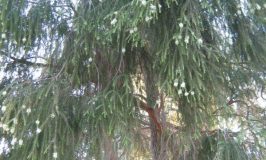
Mexican Cypress Tree
Other common names of Mexican Cypress Tree are Montezuma cypress, Montezuma Bald cypress. The botanical name is Taxodium mucronatum and belongs to Cupressaceae (Cypress) family. This … [Read more...]
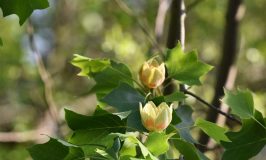
American Tulip Tree – Tulip Tree – Tulip Poplar Tree – Yellow Poplar Tree
As we drove from the airport to home, I saw these beautiful tall trees with painted flowers. My curiosity was satisfied when I described the tree to my sister and she immediately exclaimed that it was … [Read more...]
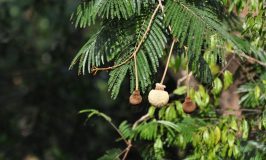
Badminton Ball Tree – African Locust Tree – Gong-stick Tree
The other common names of Badminton Ball Tree are African locust tree, Gong-stick tree. In Kannada, it is known as Shivalingada mara, Hindi it is Chendul-Ka-jhar, Marathi it is known as Chendu phul. … [Read more...]
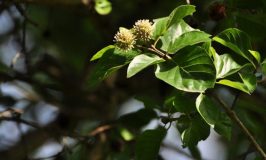
Krishna Kadam Tree – Kaim Tree – Mitragyna parvifolia
What a beautiful name for a tree!? Krishna Kadam…My wait to photograph this tree was over when the safari Jeep in Nagarhole National Park stopped to wait for the elusive Tiger to pass by. The silence … [Read more...]
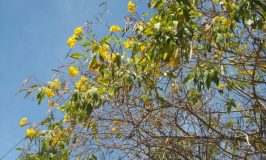
Chestnutleaf Trumpet Bush Tree
Botanical name of Chestnutleaf Trumpet bush is Tecoma castanifolia and belongs to Bignoniaceae (Jacaranda) family. This evergreen tree grows to a height of 8 to 10 feet in favorable conditions. … [Read more...]
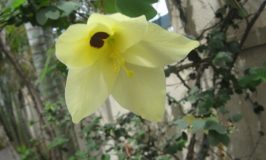
Yellow Orchid Tree – Mandara Hoo – Vana Sampige
Vana Sampige or Mandara Hoo (Kannada) tree was in my uncle’s farm and everyday few of the flowers from this tree would be plucked to worship god. I used to touch these flowers to feel the silky-smooth … [Read more...]
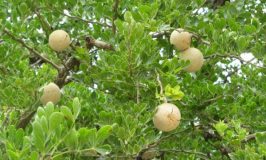
Wood Apple – Beladahannu – Kaith – Katbel
The other common names of Wood Apple are Stone Apple, Elephant Apple, and Monkey fruit. The botanical name is Limonia acidissimia and belongs to Rutaceae (citrus) family. Wood Apple tree is a … [Read more...]
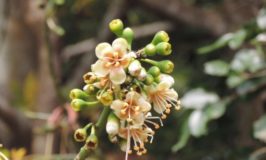
Silk Cotton Tree – White Silk-Cotton Tree – Dudi Mara
In Bangalore there are many Silk Cotton Trees. It is interesting to observe the change the trees go through in different seasons. Other common names are Kapok, Ceiba, White Silk-Cotton Tree. In … [Read more...]
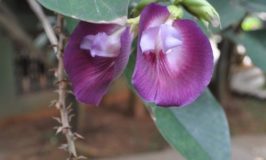
Butterfly Pea Tree
The botanical name is Clitoria arborea and belongs to Fabaceae (Pea) family. Butterfly Pea Tree is native to Brazil, Bolivia, and Peru. I had only come across Butterfly Pea creeper and never a … [Read more...]
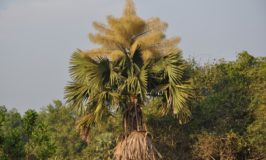
Talipot Palm
Talipot Palm is also known as Srithala, Indu Tree in Kannada, Alpayushi in Sanskrit, and Bajar-Battu in Hindi. The botanical name is Corypha umbraculifera and belongs to Arecaceae (Palm) … [Read more...]
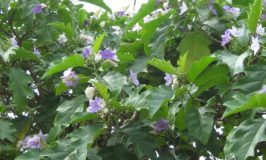
Potato Tree
Another common name for potato tree is Giant Star Potato Tree. The botanical name is Solanum macranthum and belongs to Solanaceae (Potato) family. Potato tree is native to Brazil and grows to a … [Read more...]
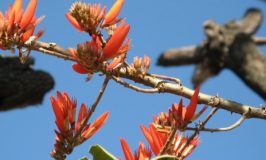
Indian Coral Tree
Indian Coral Tree grows wild across India. Other common names are Corky Coral Tree, Lenten tree, Sunshine tree, and Tiger claw. They also grow in Burma, Java, and Polynesia. It is known as Mandara in … [Read more...]
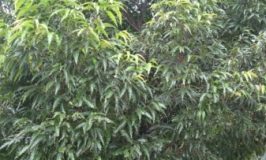
Mast Tree
Mast tree is popularly known as Ashoka tree in India and is planted as roadside and garden tree in almost all the cities of India. Another common name is Cemetry tree. In Kannada it is known as … [Read more...]
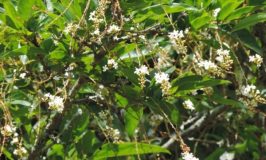
Fiddlewood Tree
If not for mom, I wouldn’t have noticed the Fiddlewood Tree standing tall in Rajarajeshwari temple in Yercaud. She remembered that her dad had planted the tree in their garden and they used to call it … [Read more...]
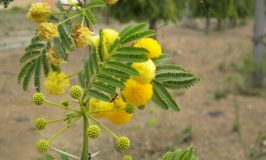
Yellow Mimosa
Yellow stands for happiness and everything positive. When you see a Yellow Mimosa tree in bloom, you are happy with positive thoughts. The only reminder that there is negativity in life is the … [Read more...]
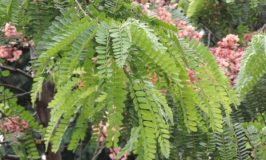
Java Cassia
Other common names of Java Cassia are Apple blossom cassia, Nodding cassia, Pink cassia, and Pink shower. Botanical name is Cassia javanica and belongs to Caesalpiniaceae (Gulmohar) family. Java … [Read more...]

Indian Almond Tree
Indian Almond tree is planted widely in Bangalore and surrounding areas as an ornamental tree. It is known as Jangli Badam in Hindi, Kadu Badami in Kannada, and Kshudrabija or Desabadama in Sanskrit. … [Read more...]
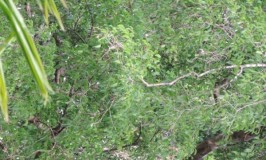
Padauk Tree
Padauk tree is the state tree of Andaman and Nicobar islands. My wish to see this tree and photograph them was fulfilled when we went to Wandoor Beach. The tree is not on the beach but inside the … [Read more...]

