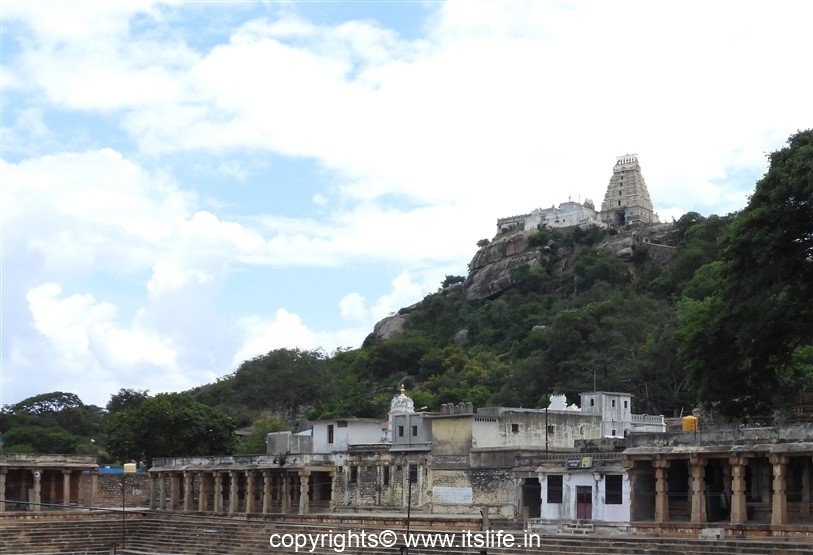
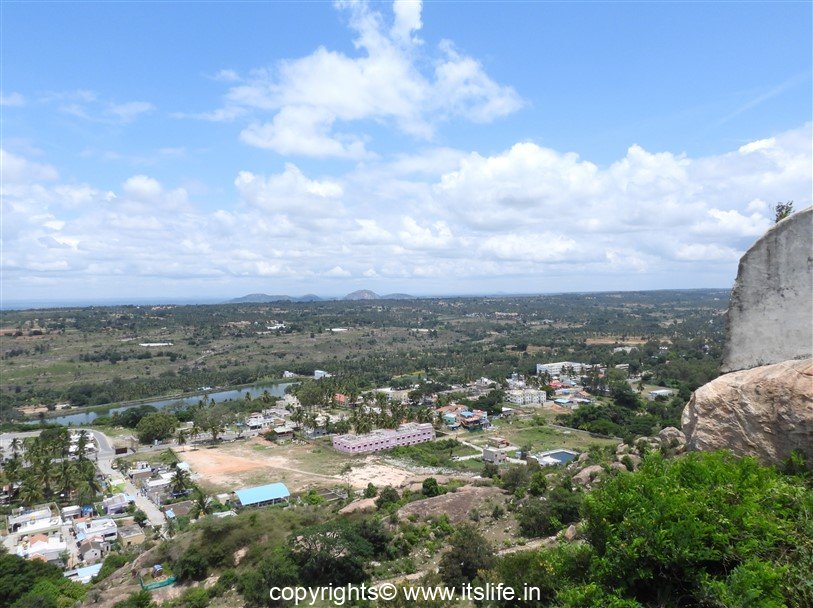
The Nannesvara temple is located to the west of Kasivisvesvara temple in Lakkundi. This 11th century Hindu temple is dedicated to Lord Shiva.
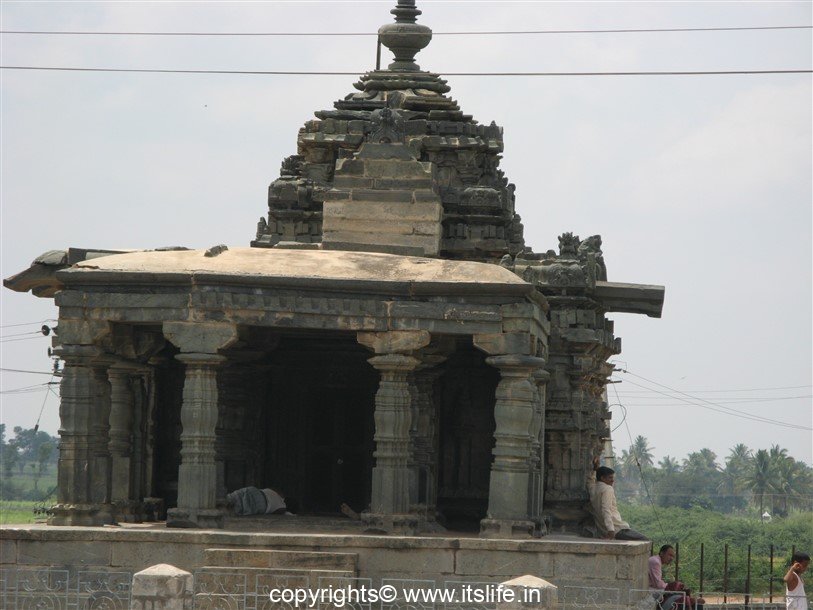
Adam Hardy, architecture scholar and historian of Indian temples has documented this temple to have been built in later half of the 11th century. It is one of the early Kalyana Chalukya temple with an amalgamation of both North Indian and South Indian schools of Hindu architecture.
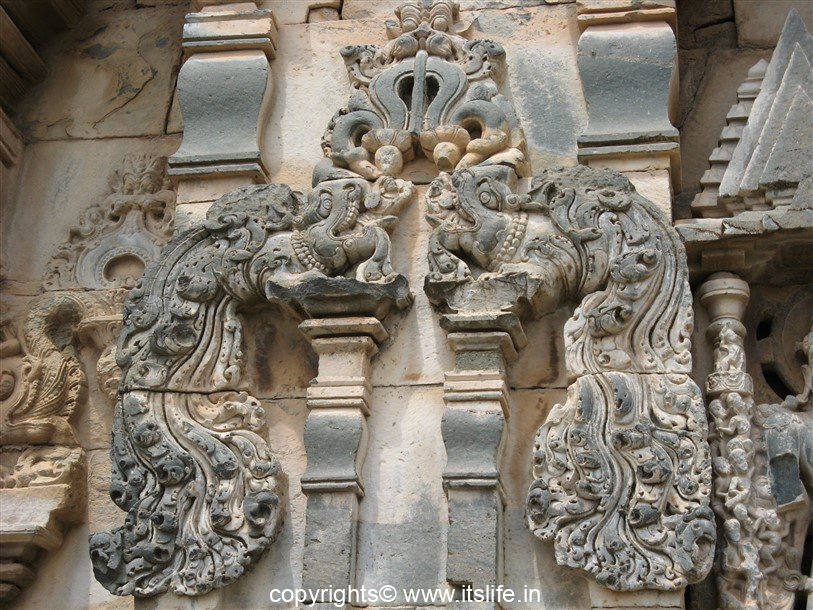
Nannesvara temple is built on a raised platform. It has an open ranga mandapa with pillars, a closed assembly hall, and a Sanctum sanctorum. The pillars show various motifs and designs called Srikara, Vardhamana and Indrakanta styles in historic Sanskrit texts on architecture. It is inscribed on a pillar that Devalabbe of Hebbana family donated the pillars to the temple.
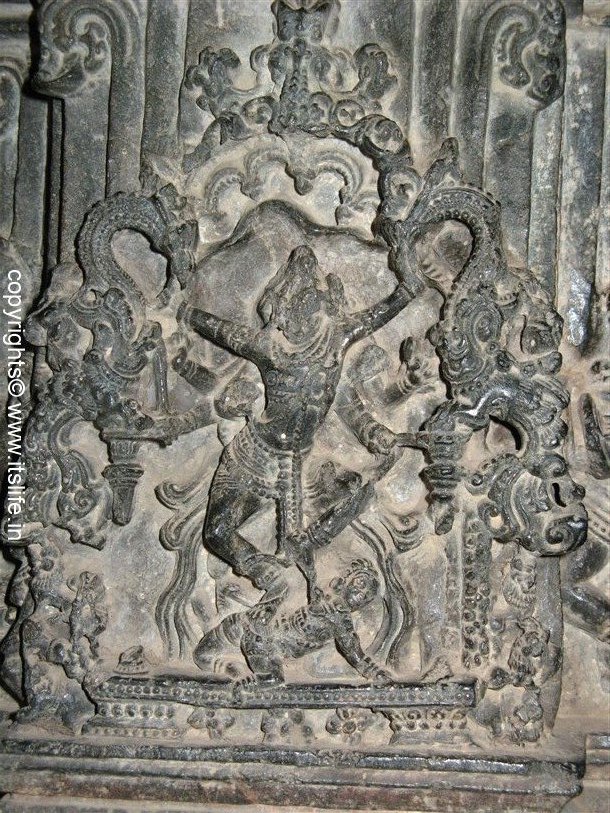
The pillars and decorative structures are made of soap stone and this became popular in 12th and 13th century with the Chalukya and Hoysala style of temples.
Unfortunately no detailed inscription is found regarding this temple. The Lakkundi school of architecture studies point to the style and story of how this temple was build.
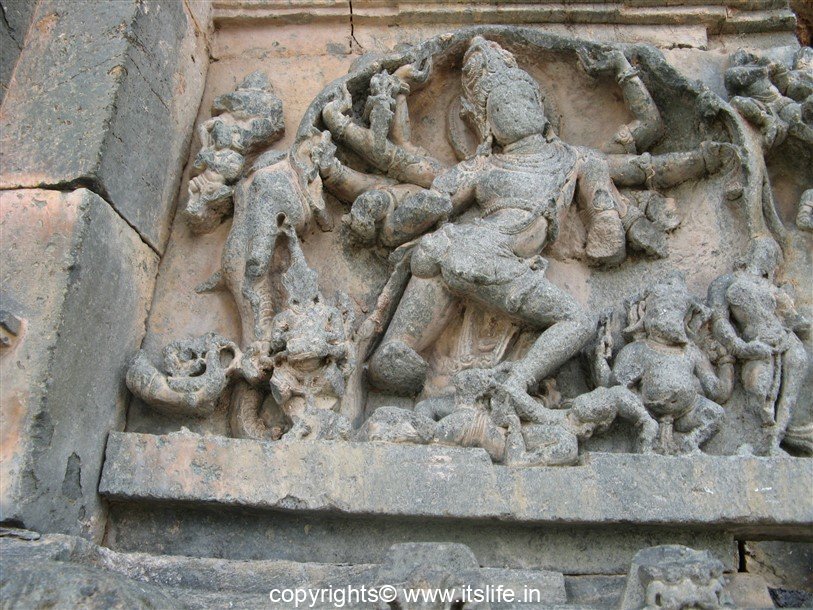
The temple is much grander than the Brahma Jinalaya. You can identify the Nagara style of architecture from central and western parts of India.
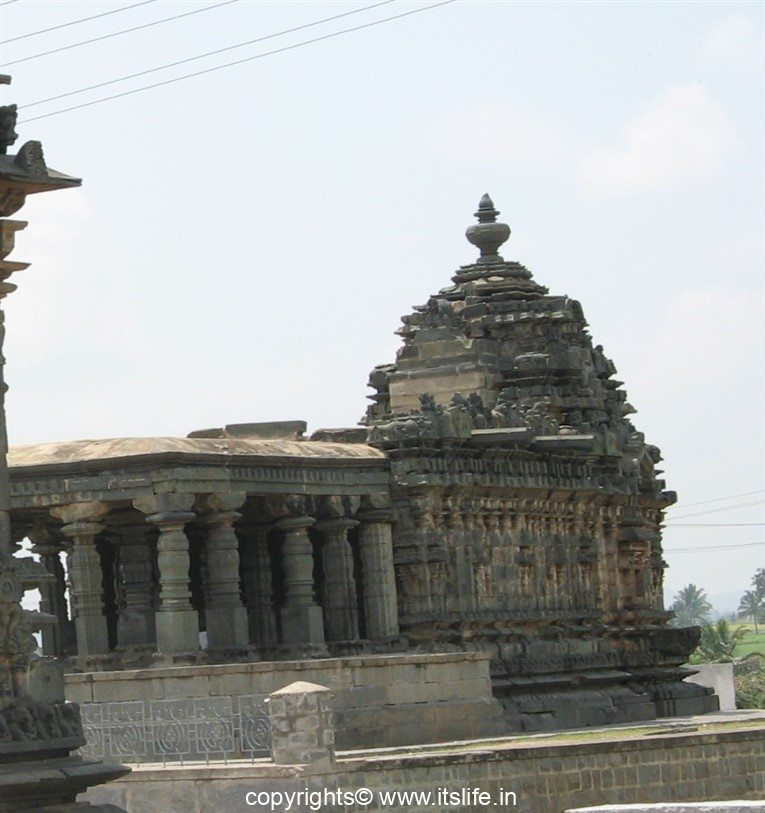
The tower is 3-tiered with a Kalasha on top. Steps lead to the middle hall known as Gudhamandapa. It is a square hall and the entrance is flanked by Dwarapalakas. This hall has intricately carved and polished four pillars. A Shiva Linga is installed inside the sanctum sanctorum.
Temples to visit:
Other interesting places nearby are Dambal (14 Kms), Gadag (12 Kms) and Itagi (25 Kms).
Place statistics:
Type of place: Historical site
Situated: Gadag district
Distance: 12 kms South-East of Gadag
Transport: Well connected by road. Nearest railway station is at Gadag.
Facilities: Nil